
Holiday Hours

Monday, January 19, 2026 – Closed
In observance of Martin Luther King Jr. Day.

As of the afternoon of January 23, 2025, our phones are operational. Thank you for your patience as our phone provider experienced a national outage that impacted our phone services on the afternoon of January 22 and the morning of January 23.

BPH (Enlarged Prostate): Symptoms, Diagnosis and Treatment

bph know the signs

What is BPH?

Benign prostatic hyperplasia (BPH) is a non-cancerous enlargement of the prostate that can slow or block urine flow. It’s common with age and very treatable.

Common symptoms

  • Weak or slow stream

  • Hesitancy (hard to start), stopping/starting

  • Frequent urination—especially at night

  • Sudden urgency or leakage

  • Feeling you didn’t fully empty

Simple steps to try

  • Evening fluids: Cut back 2–3 hours before bed

  • Bladder irritants: Reduce caffeine, alcohol, carbonated/sugary drinks

  • Timed voiding: Bathroom breaks every 3–4 hours

  • Medication review: Some cold/allergy meds can worsen symptoms—ask your clinician

  • Constipation management: Keeps pressure off the bladder

How we evaluate

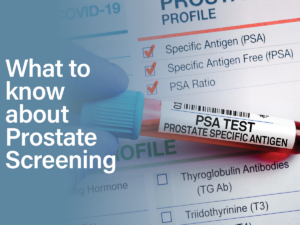
A focused visit may include a symptom questionnaire, urine test, exam, PSA (as appropriate), and a quick bladder scan or flow test to see how well you empty.

Treatment options

  • Medications that relax or shrink the prostate

  • Minimally invasive office procedures to relieve blockage with shorter recovery

  • Surgical options for larger prostates or severe symptoms
    Your urologist will match options to your anatomy, goals, and lifestyle.

When to seek care promptly

Fever with urinary symptoms, inability to urinate, or blood in the urine with clots—call right away.

You don’t have to live with urinary symptoms—we’re here to help with clear answers and a plan that fits your life

Contact Us

Other Articles

What is BPH?

At Urology Partners, we recognize the significance of prostate health, and one common condition that warrants attention is Benign Prostatic

Read More »

Like What You See? Share With A Friend!

Latest News Articles

uti vs bladder irritation

UTI vs. Bladder Irritation: How to Tell the Difference

Burning with urination, frequent trips to the bathroom, and a constant feeling of urgency are some of the most common urinary symptoms. While many people assume this means a urinary tract infection (UTI), these symptoms can also be caused by bladder irritation or other non-infectious issues. Knowing the difference helps ensure proper treatment.

Read More »
blood in urine

Blood in the Urine: Why You Shouldn’t Ignore It

Seeing blood in your urine can be concerning, but it is an important symptom that should always be evaluated. Blood in the urine, also called hematuria, may be visible or only detected through a urine test. Either form deserves medical attention.

Read More »
uti vs bladder irritation

UTI vs. Bladder Irritation: How to Tell the Difference

Burning with urination, frequent trips to the bathroom, and a constant feeling of urgency are some of the most common urinary symptoms. While many people assume this means a urinary tract infection (UTI), these symptoms can also be caused by bladder irritation or other non-infectious issues. Knowing the difference helps ensure proper treatment.

Read More »
blood in urine

Blood in the Urine: Why You Shouldn’t Ignore It

Seeing blood in your urine can be concerning, but it is an important symptom that should always be evaluated. Blood in the urine, also called hematuria, may be visible or only detected through a urine test. Either form deserves medical attention.

Read More »
expert urologic care

Expert Urologic Care, Close to Home

When it comes to your health, convenience and expertise should go hand in hand. Access to high-quality urologic care close to home means fewer disruptions to your life—and faster, more personalized support when you need it most.

Read More »