Holiday Hours

Monday, January 19, 2026 – Closed
In observance of Martin Luther King Jr. Day.

As of the afternoon of January 23, 2025, our phones are operational. Thank you for your patience as our phone provider experienced a national outage that impacted our phone services on the afternoon of January 22 and the morning of January 23.

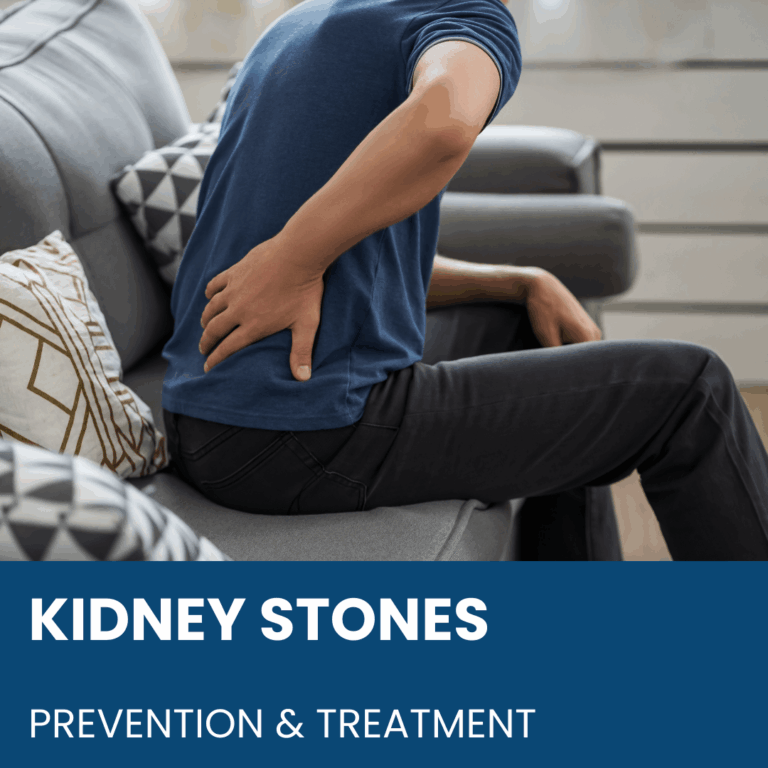
Kidney Stones – Prevention and Treatment

kidney stones prevention

What Are Kidney Stones?

Kidney stones are hard deposits of minerals and salts that form in the kidneys. They can range in size from a grain of sand to a pea—or even larger. While small stones may pass on their own, larger stones can cause severe pain and require medical treatment.

Common Symptoms of Kidney Stones

  • Severe pain in the back or side
  •  Painful urination
  • Blood in urine
  • Frequent urge to urinate
  • Nausea or vomiting

What Causes Kidney Stones?

Kidney stones form when substances like calcium, oxalate, and uric acid become highly concentrated in the urine. Risk factors include:

  • Dehydration (not drinking enough water)
  • High sodium & protein intake
  • Family history of kidney stones
  • Certain medical conditions (such as hyperparathyroidism or gout)

How to Prevent Kidney Stones

  • Stay Hydrated: Aim for at least 8–10 glasses of water daily.
  • Eat a Kidney-Friendly Diet: Reduce sodium, limit animal protein, and consume calcium-rich foods to prevent oxalate buildup.
  • Stay Active: Regular physical activity helps maintain kidney function.
  • Add Lemon to Water: Citrate from lemons can help prevent stone formation.

Treatment Options

For small kidney stones, increasing fluid intake and taking pain relievers may help them pass naturally. However, larger stones may require:

  • Medication: To relax the urinary tract and ease passage.
  • Shock Wave Lithotripsy (SWL): Uses sound waves to break stones into smaller pieces.
  • Ureteroscopy: A thin tube removes or breaks up stones in the urinary tract.
  • Surgery: In rare cases, large stones may require surgical removal.

Kidney stones are painful but often preventable. By staying hydrated, making smart dietary choices, and seeking medical attention when needed, you can reduce your risk and keep your kidneys healthy. If you’ve had kidney stones before or are experiencing symptoms, consult a urologist for personalized care.

Contact Us

Other Articles

Like What You See? Share With A Friend!

Latest News Articles

uti vs bladder irritation

UTI vs. Bladder Irritation: How to Tell the Difference

Burning with urination, frequent trips to the bathroom, and a constant feeling of urgency are some of the most common urinary symptoms. While many people assume this means a urinary tract infection (UTI), these symptoms can also be caused by bladder irritation or other non-infectious issues. Knowing the difference helps ensure proper treatment.

Read More »
blood in urine

Blood in the Urine: Why You Shouldn’t Ignore It

Seeing blood in your urine can be concerning, but it is an important symptom that should always be evaluated. Blood in the urine, also called hematuria, may be visible or only detected through a urine test. Either form deserves medical attention.

Read More »
uti vs bladder irritation

UTI vs. Bladder Irritation: How to Tell the Difference

Burning with urination, frequent trips to the bathroom, and a constant feeling of urgency are some of the most common urinary symptoms. While many people assume this means a urinary tract infection (UTI), these symptoms can also be caused by bladder irritation or other non-infectious issues. Knowing the difference helps ensure proper treatment.

Read More »
blood in urine

Blood in the Urine: Why You Shouldn’t Ignore It

Seeing blood in your urine can be concerning, but it is an important symptom that should always be evaluated. Blood in the urine, also called hematuria, may be visible or only detected through a urine test. Either form deserves medical attention.

Read More »
expert urologic care

Expert Urologic Care, Close to Home

When it comes to your health, convenience and expertise should go hand in hand. Access to high-quality urologic care close to home means fewer disruptions to your life—and faster, more personalized support when you need it most.

Read More »